Showing posts with label Mozambique. Show all posts

Thursday, January 12, 2017

Mozambique Incident Did NOT Involve a Drone

dronelife.comBY MIRIAM MCNABB
JANUARY 11, 2017


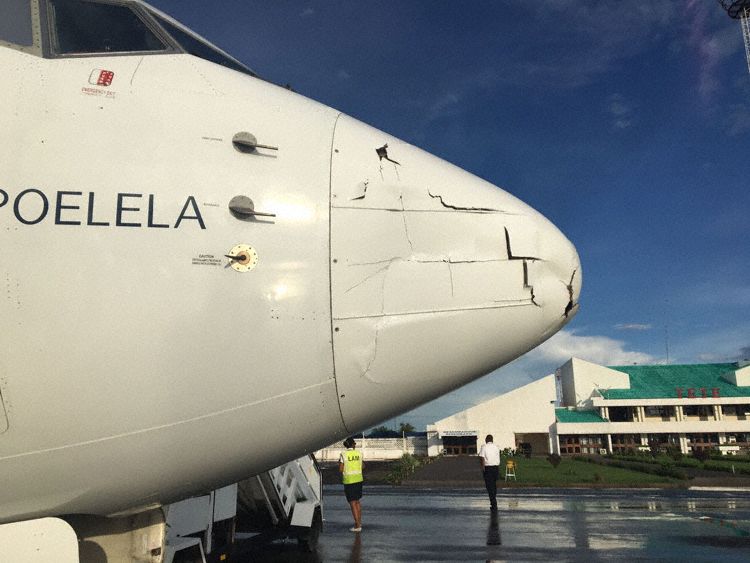
News and Commentary. Here we go again. Mea Culpa, even DRONELIFE thought the pictures showed evidence of a drone strike. The story seemed to add up: the pictures showing a torn radome of a passenger jet in Mozambique and crew reports of hearing a loud impact noise appeared to indicate that something heavier than a bird had hit the plane. The mining sites that surround the airport – and use commercial drones daily – seemed like a reasonable culprit. The Commercial Drone Alliance issued a statement (wisely couched in less than definitive terms about the incident) expressing their concern.

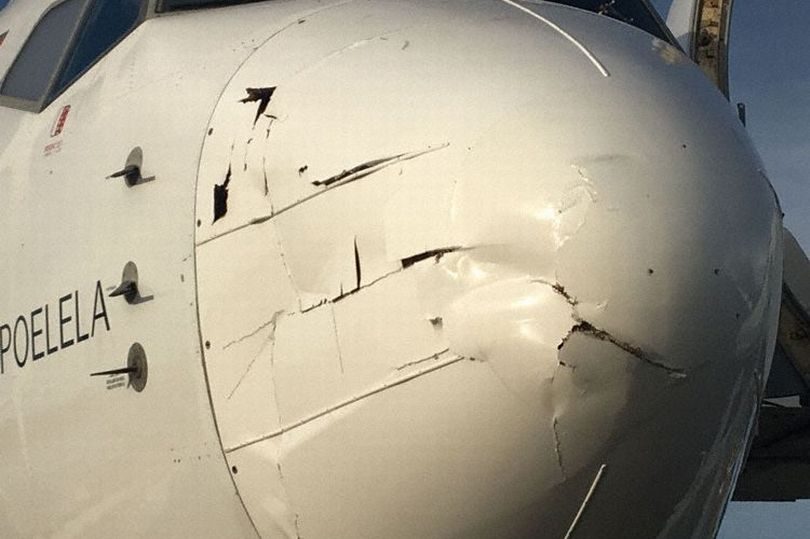
But none of it, it now appears, actually happened. As The Digital Circuit reports, that there was no drone involved. No drone, no bird, and no plastic bag. In fact, those widely circulated pictures of the damage to the radome of the plane indicate a structural fault in a second-hand radome. The Aviation Herald, the site which reports on aircraft incidents across the globe and which first reported the Mozambique incident, has updated the article to reflect the results of a press conference held by Mozambique’s federal agency:

“On Jan 10th 2017 Mozambique’s Civil Aviation Authority reported in a press conference in Maputo that they concluded the radome most probably failed as result of a structural failure caused by air flow pressure, contributing factors probably were a defective installation of the radome and inspection of the ribs. A foreign object damage was ruled out. The CAA added, that the radome had been purchased second hand through an American company supplying aircraft parts and components, the radome was installed on the aircraft during major maintenance in South Africa on Jun 27th 2016.”

By now we should have learned. Of the most widely reported drone incidents – including the one last year at Heathrow airport, which was later concluded to be a plastic shopping bag – not one has yet provided any real evidence of a drone collision. With any luck at all, there won’t be – as certification, airspace integration and communication methods move forward, certainly the technology is on the drone industry’s side to ensure safe operation.

Read more at:

Tuesday, January 10, 2017

What Really Happened with the Drone Crash in Mozambique?

dronelife.com
BY MIRIAM MCNABB
JANUARY 9, 2017


An incident occurring in Mozambique this weekend has been widely reported as a drone crash. Photos of the aircraft indicate that the collision caused extensive damage. But what really happened, and what kind of drone caused the damage?

The incident was originally reported by The Aviation Herald: “LAM Linhas Aereas de Mocambique Boeing 737-700, registration C9-BAQ performing flight TM-136 from Maputo to Tete (Mozambique) with 80 passengers and 6 crew, was on final approach to Tete when the crew heard a loud bang, no abnormal indications followed. The crew suspecting a bird strike continued the approach for a safe landing.


A post flight examination revealed a drone had impacted the right hand side of the radome.

The airline confirmed the occurrence, a replacement aircraft was dispatched to Tete to perform the return flight. The occurrence aircraft is being repaired.”

This was the first time that a reported drone incident has resulted in any damage to the aircraft. While it is still difficult in the absence of any drone parts or debris, to provide proof that the collision was in fact caused by a drone, the damage does indicate that the aircraft collided with some dense object. And while the damage was not sufficient to create a problem with the jet’s flight or function, it is clearly significant. So what really happened in Mozambique?


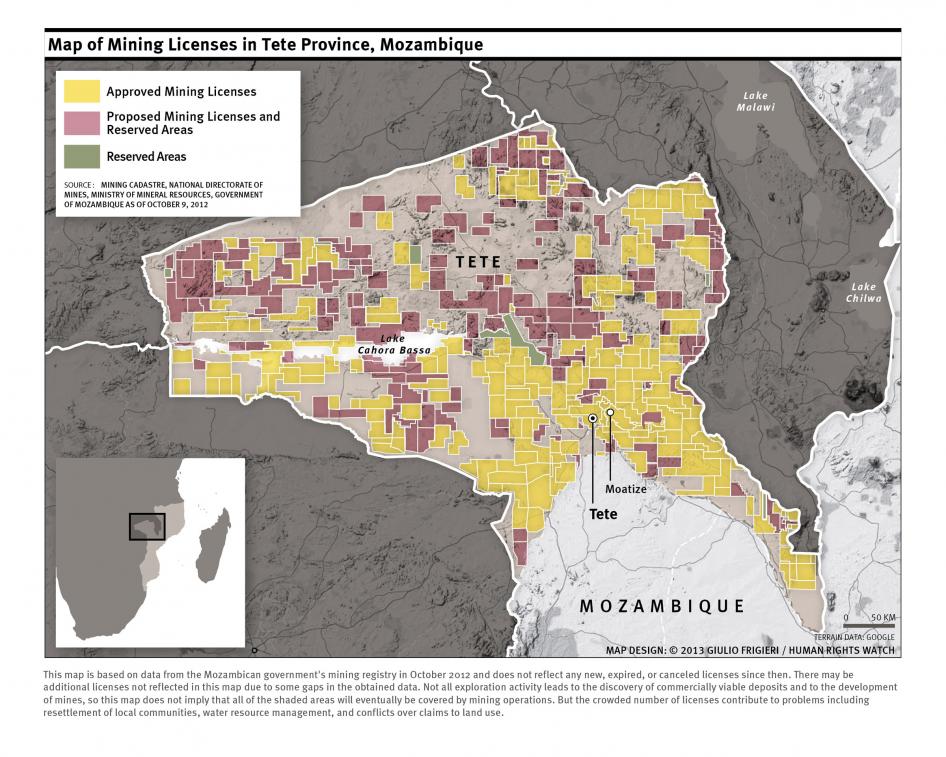
Map from Ejetlas.org

A look at the pictures shows a much wider range of damage than could be expected from a standard DJI or other consumer or prosumer drone. And that makes sense, given that Tete province in Mozambique is a major center for mining: mineral and coal mining are the primary industry in the area. This 2013 map of coal mining licenses in the region shows the city of Tete – and the Tete airport – virtually surrounded by coal mining.

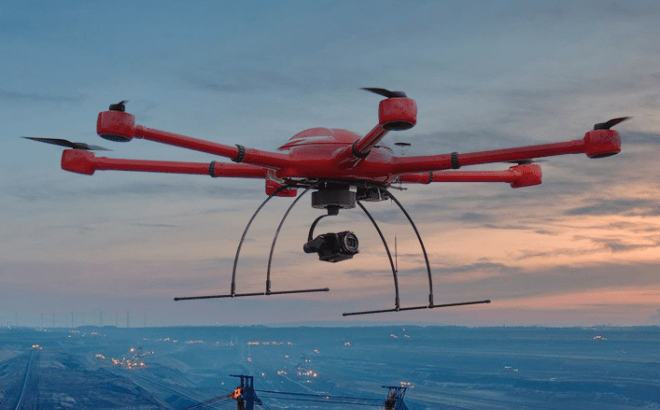
Mining is one of the industries that has aggressively adopted drone technology, which provides a significant return on investment. But mining equipment is big, coal mines can be vast, and an industrial drone used for mining can be larger than a standard quad. An example of one is pictured below; the drone weighs about 26 pounds without payload, which can be up to another 10 kg

.

In addition to the use of larger, heavier drones for industrial purposes, according to UAV Systems International, Mozambique does not require certification or licensing for commercial drone pilots. And while the current drone regulations do say that drones must avoid airports, the many coal mining sites directly surrounding the city must assuredly make compliance and enforcement of that regulation challenging.

While a drone collision is serious for everyone in the industry, it would appear that the event in Mozambique is not likely to be immediately duplicated elsewhere. It does, however, highlight the importance of training and responsible flying by commercial drone operators. It also makes evident the need for the industry to push forward on drone integration systems that will allow air traffic controllers, drone operators, and jet pilots to be aware of one another.


Read more at:

Monday, January 9, 2017

Report: Drone Hits Passenger Plane in Mozambique

dronelife.com
BY ALAN PHILLIPS
JANUARY 7, 2017


News organizations are reporting that a drone collided with a Boeing 737-700 aircraft on its approach to Mozambique’s Tete Airport yesterday. Tete is the capital city of Tete Province in Mozambique. It is reported that there were eighty passengers and six crew on the flight. The Mirror reported that the crew heard a bang, which alerted them to the possibility of the aircraft “having made contact with an external body. The event did not disrupt the normal conduct of the flight.”


This picture is from The Aviation Herald (http://avherald.com/)

There are no reports of the pilots, crew, or passengers making visual contact with the drone. There have been previous reports of near-misses between drones and commercial aircraft but this is the first time that the Drone Manufacturers Association has issued a statement about a drone/aircraft crash.


The following statement may be attributed to Kara Calvert, Executive Director of the Drone Manufacturers Alliance.

“The Drone Manufacturers Alliance, the organization representing manufacturers of the majority of civilian drones, takes very seriously the report that a drone may have collided with a passenger airliner in Mozambique, Africa. In past incidents, early reports of drone involvement turned out to be false. Nevertheless, we take these reports seriously, and our member companies stand ready to offer assistance to Mozambique’s aviation authorities as they investigate this incident. Our members are investing heavily in technology and features that enhance safety and help avoid collisions, and we work hard to educate users about safe operations. As the industry evolves, we believe it is important for authorities and policy makers to proceed thoughtfully and in a way that continues to recognize the immense benefits of drone technology.”


Read more at: